
Slope High Score Guide: What Ends a Run and What Adds Points
Published · Updated · 3 min read
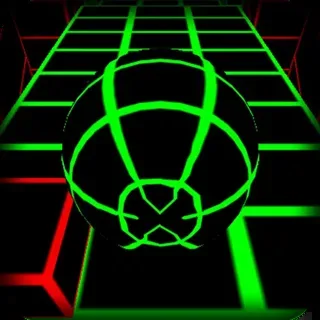
A better Slope score comes from understanding three things the game does behind the scenes: how points are counted, how a run can end, and what changes each time the game speeds up. All of the points below come from the game logic stored inside this site's copy of Slope, the Y8 Unity build, which uses readable PlayMaker state machines with named states and actions.
How the score is counted
The score is not a timer. As the track is built in front of you, the spawner also places score points along it, and the on-screen number goes up when the ball rolls through them. In practice that means the score tracks how much track you cover. Standing still is not an option anyway, since the ball is always pushed forward, but it explains why the number keeps climbing on easy straights and stops the instant a run ends.
The two ways a run ends
The game logic has exactly two ends to a run, named fall death and collide death:
- Fall death: the ball leaves the track and drops. This happens on gaps, at the edge of thin sections and on tilted pieces where the ball drifts to the low side.
- Collide death: the ball touches a red obstacle. The obstacles come in several placements: in the middle of the track, on one side, on both sides, and versions that move up and down.
After either one, the game compares your score with the saved best and only overwrites it if the new run is higher. Then the reset puts the ball, its speed and the track spawner back at the start.
What a SPEED UP actually changes
Slope does not speed up on a clock. The track includes speed-up sections marked with arrows on the ground. Rolling over one shows a SPEED UP message and runs a short list of changes: more push down the slope, more push forward, more steering force to the left and to the right, and one more on the speed-up counter. Because the steering force grows along with the speed, a tap after several speed-ups moves the ball further sideways than the same tap early in the run.
Habits that follow from these rules
| Rule in the game | What to do about it |
|---|---|
| Steering gets stronger at every SPEED UP | Shorten your taps after each speed-up message instead of keeping the same rhythm all run. |
| Tilted wide sections pull the ball to the low side | Hold a little toward the high side and stop the moment the piece ends, or you will overshoot on the next flat section. |
| Some obstacles move up and down | Pass them on the side if there is room; timing a gap under a moving block costs more than a small change of line. |
| Thin sections end in a drop on both sides | Line up before you reach them. Small corrections on a narrow strip are where most fall deaths happen. |
| Points come from track covered | A safe, boring line through a hard piece is worth the same as a stylish one. |
Setting a target
Since the best score only changes when you beat it, a useful goal is to beat it by a few points rather than to aim for a big jump. Most runs end in the first sections after a speed-up, when the stronger steering catches you out, so practise staying calm right after the message appears. Keep the sound on if it helps you notice the speed changes, and restart quickly after a bad run rather than waiting on the score screen.
More from the blog
- Slope on a School Chromebook: How This Copy Loads and Runs
Where this copy of Slope is stored, how big the download is, which controls and buttons work here, and where your best score is kept.
- Games Like Slope: Tunnel Rush, Drift Boss and Other Picks
Five games on this site that share something with Slope, from Tunnel Rush's 3D tunnel to Drift Boss's no-guardrail track, and how each one differs.